- Cable Wire Recycling Machines and Metal Processing Systems
- AC Condenser Recycling Machine
- Radiator Copper Aluminium Separator Machine for Scrap Metal Recycling
- ACSR Cable Recycling Machine for Aluminum and Steel Separation
- Hydraulic Metal Briquetting Machine for Metal Chip Recycling
- Electric Motor Recycling Machine for Copper and Iron Recovery
- Industrial Copper Wire Granulator for Waste Cable Recycling
- cost of hydraulic briquetting machine for waste recycling
AC Condenser Recycling Machine
An AC condenser recycling machine is primarily used to process waste air conditioner condensers, automotive radiators, and other copper-aluminum composite radiators. Through cutting and mechanical separation, it recycles the copper tubes and aluminum fins separately. For waste radiators with multiple layers and large dimensions, using a radiator cutter and a copper-aluminum separator in conjunction can improve feed compatibility and reduce manual dismantling workload.
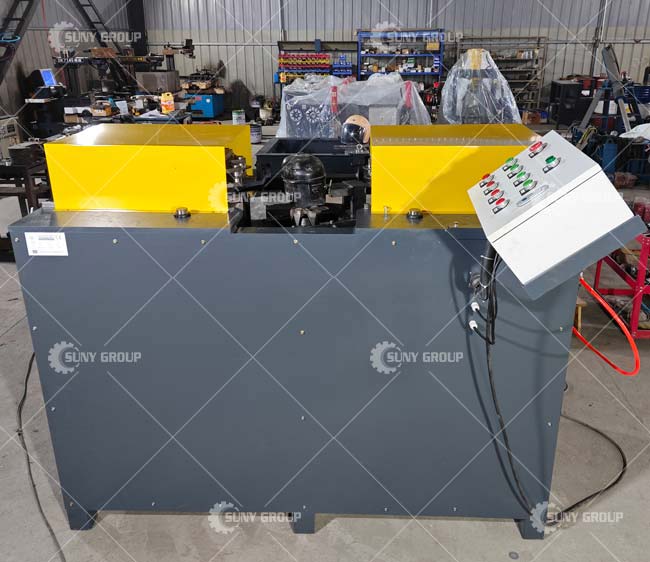
The radiator cutter typically uses a band saw structure, mainly used to cut off the metal parts at the edges of the radiator and cut larger radiators into sizes suitable for subsequent separation equipment.
In actual recycling, the structures of waste radiators vary considerably. Some come from household air conditioners, while others come from automotive or industrial refrigeration equipment; their width, thickness, and internal copper tube arrangement differ. Directly feeding radiators exceeding the equipment’s processing range into the separator may lead to feeding difficulties, unstable separation results, and even damage to the blades.
For multi-layer radiators, the band saw can cut them at appropriate locations, separating them into single-layer or double-layer structures before proceeding to the next processing stage. Before cutting, inspect and remove any iron frames or other foreign objects that may damage the saw blade or separating cutter.

AC condenser recycling machine
Copper-aluminum separators mechanically separate copper tubes and aluminum fins inside radiators using a feeding mechanism, separating cutters, and a transmission system. After processing, the copper tubes and aluminum are discharged separately from the outlet, facilitating sorting, weighing, and subsequent sales.
Common rotary cutter copper-aluminum separators are suitable for single-layer and double-layer radiators. Some models can accommodate materials with copper tube center-to-center distances of 19 mm, 21 mm, or 25 mm, but the specific range depends on the equipment model and cutter configuration. For radiators with three or more layers, band sawing is usually required before separation. Some equipment also requires the feed width to be pre-controlled to approximately 30–40 cm; the actual size should be determined based on the feed inlet specifications.
When selecting an AC condenser recycling machine, the following factors should be considered:
Raw material structure: Confirm whether the radiator is single-layer, double-layer, or multi-layer, and the arrangement of the copper tubes and aluminum fins. Raw Material Dimensions: Measure the width, thickness, and copper tube spacing of the radiators to determine if band saw pre-treatment is necessary.
Processing Capacity: Select the appropriate machine model based on daily raw material volume, working hours, and labor requirements; do not rely solely on the equipment’s nominal capacity.
Separation Efficiency: Pay attention to the integrity of the copper tubes, aluminum loss, and the impurity content of the finished product, as these factors affect the market value of the recycled materials.
If the raw material mainly consists of regular-sized single- or double-layer radiators, a copper-aluminum separator should be prioritized. If the raw material includes many thick, multi-layer, or wide radiators, a combination of a radiator cutter and a copper-aluminum separator can be considered.
A suitable equipment combination should be based on the actual waste structure. Providing photos of the radiators, their dimensions, number of layers, and expected processing capacity before procurement helps confirm the equipment’s applicability and configuration requirements.

INQUIRY